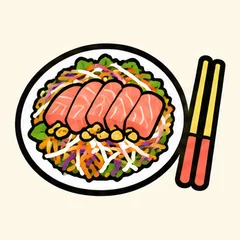
Lo hei (捞起, lāoqǐ, "toss it up") is the Chinese New Year salad toss enjoyed in Singapore and Malaysia. As each ingredient is placed on the plate, someone says a lucky phrase, such as 年年有余 (niánnián yǒu yú, "abundance every year") for the fish. Then everyone tosses the salad high while calling out good wishes. This guide takes you through the phrases in order, with Pinyin and meanings, so you can join in.
▶ Tap to hear Ms. Lim, then record yourself. Longer phrases are text only.
What is lo hei?
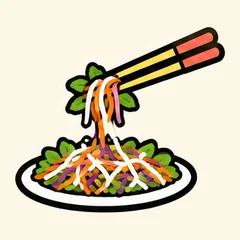
The dish is called yusheng (鱼生, yúshēng), a raw fish salad made with shredded vegetables, crackers and a sweet sauce. 鱼 (yú, fish) sounds like 余 (yú, surplus), so the fish represents abundance in the year ahead. The modern festive version developed in Cantonese restaurants in Singapore and Malaysia (Yusheng).
Lo hei is Cantonese for 捞起. Everyone at the table picks up their chopsticks and tosses the salad together. The saying goes that the higher you toss, the better the year.
Before the toss: the opening greetings
When the plate arrives, the host or server will usually begin with a general New Year wish. Everyone can say these wishes together.
| Mandarin | Pinyin | Meaning |
|---|---|---|
| 恭喜发财 | gōngxǐ fācái | wishing you prosperity |
| 万事如意 | wànshì rúyì | may everything go as you wish |
Ingredient by ingredient: what to say
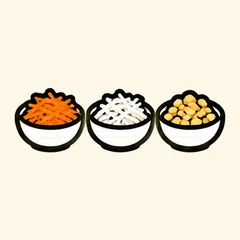
Each ingredient comes with its own phrase. Many of these phrases are puns, as the ingredient's name or colour sounds like a lucky word.
| Phrase | Pinyin | Meaning |
|---|---|---|
| 年年有余 | niánnián yǒu yú | abundance every year (with the raw fish) |
| 大吉大利 | dàjí dàlì | great luck and great profit (with the pomelo or lime) |
| 招财进宝 | zhāocái jìnbǎo | attract wealth and treasure (with the pepper) |
| 一本万利 | yì běn wàn lì | ten thousand times the return (with the oil) |
| 财源广进 | cáiyuán guǎng jìn | wealth from every direction (also with the oil) |
| 鸿运当头 | hóngyùn dāngtóu | good luck is coming (with the carrot) |
| 青春常驻 | qīngchūn chángzhù | stay young forever (with the green radish) |
| 风生水起 | fēngshēng shuǐqǐ | fast progress (with the white radish) |
| 步步高升 | bùbù gāoshēng | rise higher step by step (also with the white radish) |
| 金银满屋 | jīnyín mǎn wū | a house full of gold and silver (with the peanut crumbs) |
The carrot is a clear example of this wordplay. Carrot is 红萝卜 (hóng luóbo, "red radish"), and 红 (hóng, red) sounds like 鸿 (hóng, great) in 鸿运, "great luck".
The order of the toss
A typical lo hei, step by step
- Greet the table恭喜发财, 万事如意
- Add the fish年年有余
- Pomelo and pepper大吉大利, 招财进宝
- Pour the oil一本万利
- Vegetables and crumbs鸿运当头, 青春常驻, 金银满屋
- Toss together捞起! 越捞越旺!
During the toss: what everyone shouts
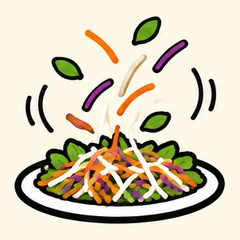
Once all the ingredients are on the plate, everyone tosses the salad together and calls out wishes. These are the two you will hear most often:
| Mandarin | Pinyin | Meaning |
|---|---|---|
| 捞起! | lāoqǐ! | toss it up! |
| 越捞越旺! | yuè lāo yuè wàng! | the higher the toss, the more prosperous! |
You can also add any New Year wish you like. For more greetings, see how to say Happy New Year in Mandarin.
Practise before the reunion dinner
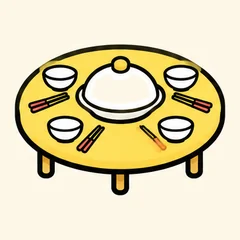
Start with two phrases: 恭喜发财 for the beginning and 年年有余 for the fish. Say them aloud with the audio until the tones feel natural, then add one more each day. If you are new to life in Singapore, see learning Mandarin as an expat in Singapore. For useful food phrases, see hawker centre Mandarin. Adults who want to speak confidently at family gatherings can also see Mandarin classes in Singapore.
Frequently asked questions
What does lo hei mean?
Lo hei is Cantonese for 捞起 (lāoqǐ), "toss it up". It names the moment everyone tosses the yusheng salad together with chopsticks.
What do you say when you lo hei?
Start with 恭喜发财 (gōngxǐ fācái) and 万事如意 (wànshì rúyì). A phrase is said with each ingredient, such as 年年有余 for the fish, and during the toss people shout 捞起 and 越捞越旺.
Why is yusheng eaten at Chinese New Year?
鱼 (yú, fish) sounds like 余 (yú, surplus), so the dish stands for abundance in the new year. Each ingredient adds another wish.
Do the phrases have to be in a fixed order?
No. The order and the ingredients vary by restaurant and family. Follow whoever leads the toss.
 How to Say Happy New Year in Mandarin
 Hawker Centre Mandarin
 The Speak Mandarin Campaign